Letter No.00
Two Plums
二つの梅
The flower in the kimono chest. The fruit the rain is named for.
Yuji Kuno
The rainy season has a plum in its name. So does the pattern folded in tissue in the kimono chest. They are not the same plum.
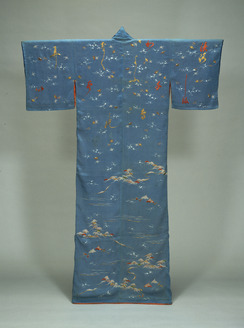
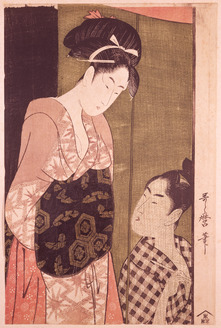
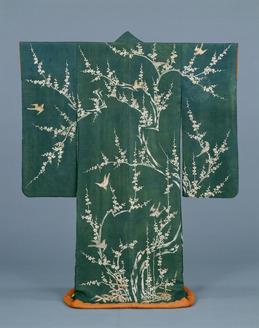
The plum blossom arrived in Japan before the cherry — from China, through the court, through poetry. In the Nara period, when aristocrats composed verses at garden parties, it was the plum they praised. The blossoms were white, faintly cold, early. They appeared when snow was still possible. By the Heian period, cherry had overtaken it in the poetry competitions. But plum never left the textile vocabulary. Kimono artisans kept it — a winter flower, worn before the cold fully breaks. The pattern in your kimono chest is a memory of a morning in February.
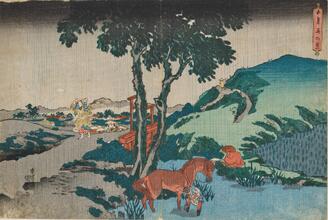
By June, the plum blossoms are four months gone. What remains on the tree is the fruit — green, heavy, quietly ripening in the heat and wet. The word 梅雨 came to Japan from China, where the connection was explicit: this was the rain of the plum-ripening season. In Japanese, the word acquired its own ambiguities. Some traced it to 黴, mold — the thing that grows silently on walls and wooden floors when the air thickens. The flower-plum and the rain-plum share only a character. They belong to different languages.

Plum fruit does not appear in kimono patterns. There is no textile tradition of the green fruit, of the jars by the kitchen door in June, of the salt and the red shiso and the weeks of waiting. What the flower became in art, the fruit became in the body — in the stomach, in the medicine cabinet, in the slow labor of preservation. Two plums. One was written about. One was eaten.
Original text
春さればまず咲く宿の梅の花ひとり見つつや春日暮らさむ
Haru sareba mazu saku yado no ume no hana / hitori mitsutsuya haruhi kurasamu
When spring comes, the plum blossoms first in this garden — must I spend the whole of this spring day watching them alone?
— 万葉集 巻五 梅花の歌三十二首, 山上憶良, 天平2年(730年)
Etymology of 梅雨
From Chinese 梅雨 (méiyǔ): rain of the plum-ripening season. In Japan, a competing etymology traced the word to 黴雨 (baiyu), rain that breeds mold. Both survive; neither is settled.
Plum in kimono
Plum blossom (梅花文) is a winter–early spring motif, worn from late autumn through March. Pairing with bush warbler (鶯) is a classical combination. Never worn in the rainy season.
Plum before cherry
In the Man'yōshū, plum appears in 118 poems; cherry in 44. By the Kokinshū, the proportions had reversed. Plum withdrew into textiles, New Year ornament, and the kitchen.
What is forgotten
That the plum in 梅雨 was never the flower. The rainy season took its name from a fruit — green, heavy, silent in poetry — ripening in the heat while the elegant pattern in your kimono chest celebrates a blossom that ended four months earlier. The same character, two memories. The distance between them was once known. Now it is not.
Glossary
- tsuyu梅雨
- The rainy season (June–July). From Chinese 梅雨 (méiyǔ), rain of the plum-ripening season.
- samidare五月雨
- Continuous rain of the early rainy season. A classical summer 季語. Bashō's line — 五月雨をあつめて早し最上川 — made it enduring.
- baikamon梅花文
- Plum-blossom pattern on textiles. A winter motif from Nara-period court culture, when plum was the preeminent flower in poetry.
- umeshigoto梅仕事
- Seasonal domestic work of processing plum fruit — umeboshi, umeshu, umejam — done in June. Largely gone from urban households.
- okuri-tsuyu送り梅雨
- The final rain before the rainy season ends. Which rain it was can only be known in hindsight.