Letter No.02
Forty-Eight Browns, One Hundred Grays
四十八茶百鼠
On what a color used to carry, and what it carries now.
Yuji Kuno
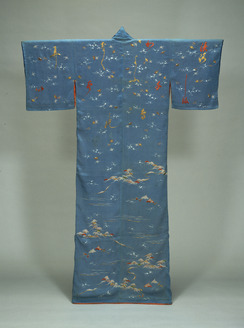
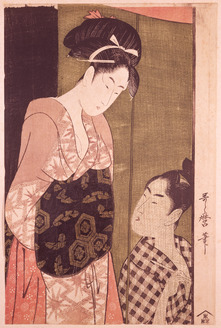
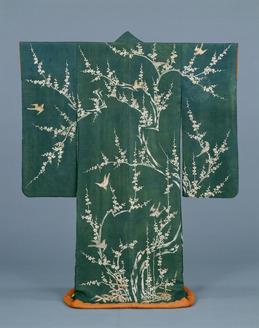
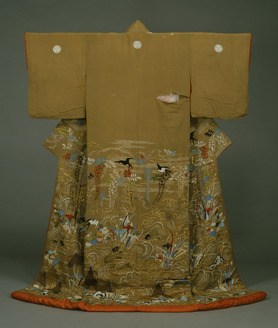
In late Edo, sumptuary edicts narrowed what a commoner could wear. The bright dyes were taken away. What was left were browns and grays. The dyers, asked to work inside that narrow room, made the room large. A phrase came out of it: shijūhachi-cha, hyaku-nezumi — forty-eight browns, one hundred grays. The numbers were never counted. They meant: more than anyone bothered to count.
Forty-eight on the brown side, one hundred on the gray. Actually there were more. Actually there were fewer. The figures are rhetorical; the point is somewhere else. Each color had a name. Inside each name there was a person, or a place, or a flower or a bird, or a dye, or the act of dyeing itself. The names did not only point at colors.

Twelve names, set down.
Rikyū-nezu — a pale gray with green in it. Named for the tea master. Fukagawa-nezu — gray tinged with blue. The color of the Fukagawa geisha. Hatoba-nezu — the gray of a pigeon's wing, faintly violet. Sakura-nezu — gray with a trace of pink, as in the cherry blossom. Fuji-nezu — gray pulled toward the wisteria, blue-violet. Nibi-iro — the mourning gray of the Heian court. Older than the rest. Benikeshi-nezu — gray made by killing a red. A trace of the red remains. Ai-nezu — gray dyed over with indigo, leaning blue. Cha-nezu — gray with tea in it, faintly warm. Gin-nezu — a bright gray, with light caught inside. Su-nezu — gray, with nothing added. Hai-nezu — gray, the color of ash itself.
A person is in there. A place. A flower. A dye.
Light Gray. Dark Gray. Charcoal.
Three words. No person. No place. No flower, no dye. What remains is a scale of lightness.
Period
Late Edo (c. 18th–19th c.)
Context
Sumptuary edicts restricting commoner dress to browns and grays.
The numbers
Both figurative. Neither was ever counted.
What is forgotten
Not the colors. The colors can still be mixed, and in principle they can still be named. What has gone is the network of proper nouns the colors used to carry — the tea master, the Fukagawa geisha, the pigeon's wing, the wisteria, the red killed under another dye. When the names went thin, the things the names pointed at went thin with them.
Glossary
- shijūhachi-cha hyaku-nezumi四十八茶百鼠
- "Forty-eight browns, one hundred grays." A late-Edo phrase for the proliferation of brown and gray names under the sumptuary edicts. The numbers were never counted.
- rikyū-nezu利休鼠
- A pale gray with green in it. Named for the tea master Sen no Rikyū.
- fukagawa-nezu深川鼠
- A blue-tinged gray. The color favored by the geisha of Fukagawa.
- hatoba-nezu鳩羽鼠
- The gray of a pigeon’s wing. Faintly violet.
- sakura-nezu桜鼠
- Gray with a trace of pink, as in the cherry blossom.
- fuji-nezu藤鼠
- Gray pulled toward the wisteria. Blue-violet.
- nibi-iro鈍色
- The mourning gray of the Heian court. Older than the hundred grays of Edo.
- benikeshi-nezu紅消鼠
- Gray made by killing a red with another dye. A trace of the red remains in it.
- ai-nezu藍鼠
- Gray dyed over with indigo. Leaning blue.
- cha-nezu茶鼠
- Gray with tea in it. Faintly warm.
- gin-nezu銀鼠
- A bright gray, with light caught inside.
- su-nezu素鼠
- Gray, with nothing added.
- hai-nezu灰鼠
- Gray, the color of ash itself.